As we enter January 2026, the national energy conversation has shifted. The focus is no longer just on generation capacity; it is squarely on grid resilience.

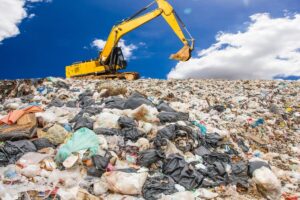
Facing increasing weather volatility, aging centralized infrastructure, and rising demand from electrification, facility managers at water treatment plants, refineries, and large agricultural operations face a critical juncture. They are simultaneously some of the biggest consumers of power on the grid and the biggest producers of organic waste liabilities.

The 2026 outlook demands a strategy that addresses both.

The solution lies in decentralization: moving away from reliance on distant power plants and landfills, and toward on-site waste-to-energy conversion. Here is why decentralized waste conversion, specifically through advanced technologies like Hydrothermal Liquefaction (HTL), is becoming the cornerstone of industrial and municipal resilience strategies this year.

1. Fixing the Vulnerability of Centralized Systems
The traditional model of waste and energy management is increasingly fragile. Currently, a facility relies on the central grid for massive power needs and relies on trucking fleets to haul wet, heavy waste (like biosolids or manure) to distant disposal sites.

If the grid falters, operations cease. If logistics chains break (due to fuel costs, weather, or regulations), waste backs up.

In 2026, resilience means decoupling from these vulnerabilities. By installing HTL technology on-site, facilities can process waste at the source. This eliminates the logistical chain of custody for waste hauling and takes the first step toward energy independence.

2. Turning a Liability into a Dispatchable Energy Asset
The magic of HTL lies in its ability to handle wet waste streams that traditional incineration cannot efficiently process. It mimics geological processes to convert organic sludge, FOG (fats, oils, grease), and agricultural waste into energy-dense biocrude in minutes.

Crucially for grid resilience, biocrude is a dispatchable energy source.

Unlike solar or wind, which are intermittent and require massive battery storage, biocrude is stable and storable. A facility with on-site HTL is essentially creating a fuel reserve from its own waste stream. This fuel can be used in boilers or generators to power critical operations during grid outages, or sold into the market when prices peak.

3. Reducing Strain on the Local Grid (Load Shedding)
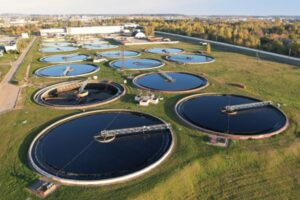
Resilience isn't just about surviving a blackout; it’s about reducing everyday strain on local infrastructure. Wastewater treatment plants alone are often the single largest electricity consumer in a municipality.

By converting their continuous waste streams into energy to offset their own operations, these facilities significantly reduce their draw from the local utility. This form of "base-load shedding" frees up capacity on the central grid for residential and commercial use, making the entire community energy system more robust against demand spikes.

The 2026 Mandate: Localize Your Energy
The outlook for 2026 is clear: security lies in self-sufficiency.

Facilities that continue to view waste solely as a disposal cost and energy solely as a utility bill will face increasing operational and financial risks. Those that adopt on-site conversion technology like HTL will transform their waste streams into strategic resilience assets, securing their operations and stabilizing the grid around them.

Make 2026 the year your facility moves from energy consumer to energy producer. Contact Clean Stream Fuels to assess the energy potential of your organic waste streams.