The culprit? PFAS (per- and polyfluoroalkyl substances). These “forever chemicals” have transformed a beneficial soil amendment into a significant legal and financial liability.
The Legislative Surge: Maryland and Florida Lead the Way
March 2026 has become the critical month for legislative action. In Maryland, Senate Bill 719 (and its companion HB 925) is moving through the General Assembly, establishing strict prohibitions on the land application of sewage sludge containing regulated PFAS levels starting in 2027. More importantly, it mandates immediate monitoring and mitigation planning for any facility exceeding 25 ppb.
In Florida, Senate Bill 1230—the “Joe Casello Act”—is on the special order calendar this month. It requires public entities to begin quarterly PFAS sampling of biosolids by July 1, 2026. These aren’t just suggestions; they are the final warnings before total bans on land application for contaminated materials become the national standard.
The “Disposal Tax”: Why Waiting Will Cost You
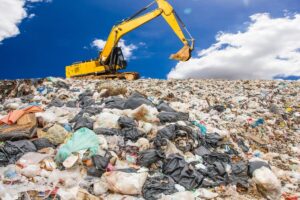
The financial reality of 2026 is stark. As land application sites disappear, the remaining disposal options—landfills and traditional incinerators—are becoming exponentially more expensive.
- Tipping Fees: Projected to double in some regions as capacity shrinks.
- Hauling Costs: Rising due to stricter emissions standards for heavy-duty waste transport.
- Liability Premiums: The cost of insuring “forever chemical” waste streams is reaching all-time highs.
If you wait until the mandates are fully in effect to find a solution, you will be competing for limited capacity at premium prices.
The HTL Breakthrough: Destruction vs. Disposal
Clean Stream Fuels’ Hydrothermal Liquefaction (HTL) technology offers the only true exit strategy from the PFAS cycle. Unlike composting or low-heat drying, which leaves PFAS molecules intact, HTL operates at temperatures and pressures that break the carbon-fluorine bond.
- 99%+ Destruction Efficiency: HTL converts PFAS into harmless mineral salts, effectively “erasing” the liability.
- Volume Collapse: Reduces wet sludge into dense, energy-rich biocrude and inert char.
- Renewable Asset: Transforms a regulatory burden into a dispatchable fuel source.
ACT NOW: Lock Your 2026-2027 Agreements
The most critical step you can take this month is to secure your facility’s future. As the “regulatory cliff” approaches, the demand for PFAS-destructive processing will far outpace available infrastructure.
Now is the time to reach out to Clean Stream Fuels and lock in your agreements. By securing your partnership today, you ensure your sludge is accounted for before the new mandates come into effect. Waiting even a few months could mean the difference between a manageable, fixed-cost energy solution and a catastrophic spike in emergency disposal fees that could cripple your budget.