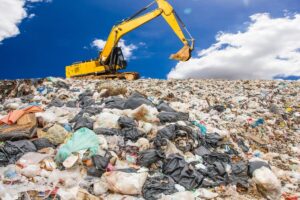
For years, the promise of Waste-to-Energy (WTE) has been constrained by a single, expensive problem: centralized logistics. Large, central WTE facilities are cost-prohibitive for smaller municipalities and inefficient for collecting and transporting vast, dispersed volumes of waste like biosolids and animal manure.
In 2026, this infrastructure barrier is set to crumble. The convergence of modular technology, powerful government mandates, and shifting economics is ushering in the era of Decentralized Biocrude Energy, placing Clean Stream Fuels’ Hydrothermal Liquefaction (HTL) technology at the forefront of the revolution.
1. The Economics of Localization: Cutting the Transportation Tax
Raw organic waste is expensive to manage because it is mostly water. Hauling voluminous biosolids or sludges over long distances creates a massive financial burden—the “transportation tax”—and a significant Scope 3 emissions liability.
Decentralization Solves the Distance Problem:
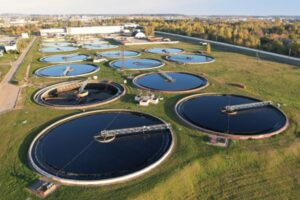
The defining feature of decentralized biocrude is the deployment of HTL systems at the source—for example, directly at a water treatment plant or a large farm.
- Volume Reduction: HTL drastically reduces the volume and moisture content of the waste on-site, converting it into a dense, high-energy biocrude.
- Cost Efficiency: Only the highly energy-dense biocrude is transported to a central refinery for final processing, minimizing transport emissions, cutting disposal fees, and unlocking financial savings for the client immediately.
2. Policy Certainty: Fueling High-Value Markets
The regulatory environment for renewable fuels is accelerating demand for verified, sustainable feedstocks. 2026 and 2027 are critical years marked by clear Renewable Fuel Standard (RFS) volume requirements proposed by the EPA for Advanced Biofuels.
Biocrude is the ideal raw material to meet this demand, as it can be refined into highly sought-after, low-carbon fuels:
-
- Sustainable Aviation Fuel (SAF): Demand for SAF is exploding due to corporate and governmental decarbonization mandates, offering a premium, long-term market for biocrude production.
- Renewable Marine Fuel: New regulations for the shipping industry favor drop-in renewable fuels, which biocrude-derived products can provide without the need for engine modification.
This clear regulatory runway de-risks investment in decentralized HTL projects, providing the market certainty needed for rapid growth in 2026.
3. Bridging the Resource Gap: Unlocking Dispersed Feedstock
The raw materials for biocrude—wastewater sludge, animal manure, and Fats, Oils, and Grease (FOG)—are widely dispersed. Studies from the Department of Energy (DOE) show that the potential for biocrude from sources like wastewater sludge is available in high density across the country.
HTL is the Catalyst:
Centralized WTE plants cannot economically capture this vast, geographically spread resource. Clean Stream Fuels’ modular HTL systems are designed to be scaled for individual sites, making it commercially viable to tap into smaller, localized waste streams that were previously destined for landfills or costly disposal.