The Policy Pivot: Navigating Clean Fuel PPPs in a Post-IRA Landscape
Strategic Insights for Investors, Municipal Leaders, and Policy Analysts
Building Economic Resilience Beyond Federal Subsidies
Recent volatility in federal tax credits has made Public-Private Partnerships (PPPs) essential for de-risking clean energy. While IRA incentives fluctuate, Hydrothermal Liquefaction (HTL) technology offers a stable path forward by focusing on intrinsic value rather than policy-dependent gains.
Dual Revenue Streams for Project Stability
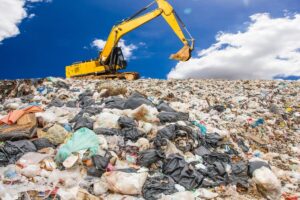
- Secure Tipping Fees: Municipalities have a legal mandate for waste disposal, ensuring a recession-proof revenue source.
- High-Value Commodities: HTL converts organic waste into Biocrude and Renewable Natural Gas (RNG), products with high demand in commercial markets and state-level decarbonization frameworks.
Beyond Biosolids: Unlocking the SAF Value Chain
The race for Sustainable Aviation Fuel (SAF) is on. By processing food waste and sewage sludge directly into biocrude, HTL technology provides a proven, high-moisture feedstock solution that bypasses fossil fuel blends. This is the shortest path from waste management to decarbonizing global transportation.
The Water Crisis: Scaling Potable Water via PPPs
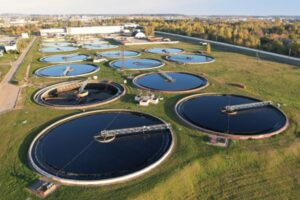
Climate change and PFAS contamination are driving urgent demand for advanced water treatment. Wastewater-to-potable water PPPs accelerate the deployment of filtration technology, helping utility managers bridge the infrastructure gap and secure community water supplies.
Solving the Data Center Dilemma
As AI and data centers stress the grid, Long Duration Energy Storage (LDES) is critical. Storable RNG and Biocrude offer superior energy density compared to batteries, providing dispatchable, chemical energy storage that ensures grid stability during peak demand.